
When Professional Judgment Meets Real-World Constraints: Measuring Moral Distress in Healthcare
Affiliation: Center for Medical Education and Humanizing Health Professional Education
Healthcare professionals may sometimes find themselves unable to act in what they believe to be the best interests of their patients due to institutional, team-related, or practical constraints, even when they know what the best course of action should be. Such situations can give rise to moral distress. Previous assessment tools have primarily focused on the sources or circumstances of moral distress. In response, Professor Hsun-Kuei Ko of our Center and her research team developed the Narrative Moral Distress Scale (NMDS) based on clinical narratives, with the aim of gaining a more comprehensive understanding of how nurses and nursing students respond to moral distress.
The study drew on qualitative interview data from 32 clinical nurses and selected scenarios from nearly 100 clinical narratives to develop the assessment items. These scenarios covered a range of clinical situations, including disease diagnosis, treatment decision-making, pain management, and end-of-life care. The initial version of the scale comprised 9 factors, 20 stories,, and 190 items. Following expert and face validity assessments, item analysis, and factor analysis, the final NMDS consisted of 14 stories and 29 items. The research team further analyzed data collected from 291 clinical nurses and 52 nursing students, identifying five factors: Value Conflict, Emotional Distress, Self-Doubt, Physical Symptoms, and Career Harm. The scale also demonstrated good internal consistency, acceptable model fit, and robust measurement equivalence.
The findings indicated that participants experienced a moderate level of overall moral distress. Among the five factors, Value Conflict and Emotional Distress had the highest mean scores, followed by Self-Doubt, Career Harm, and Physical Symptoms. These findings highlight the importance of assessing moral distress across multiple dimensions, particularly value conflict and emotional distress.
A key feature of the NMDS is its assessment of moral distress within specific clinical narratives. Rather than simply identifying the sources or circumstances of moral distress, the scale further assesses responses across multiple dimensions, including values, emotions, self-perceptions, physical symptoms, and career-related consequences. In the future, the NMDS may be applied in clinical practice and nursing education as a tool for understanding moral distress, informing efforts to improve supportive ethical environments, and evaluating the effectiveness of ethics education.
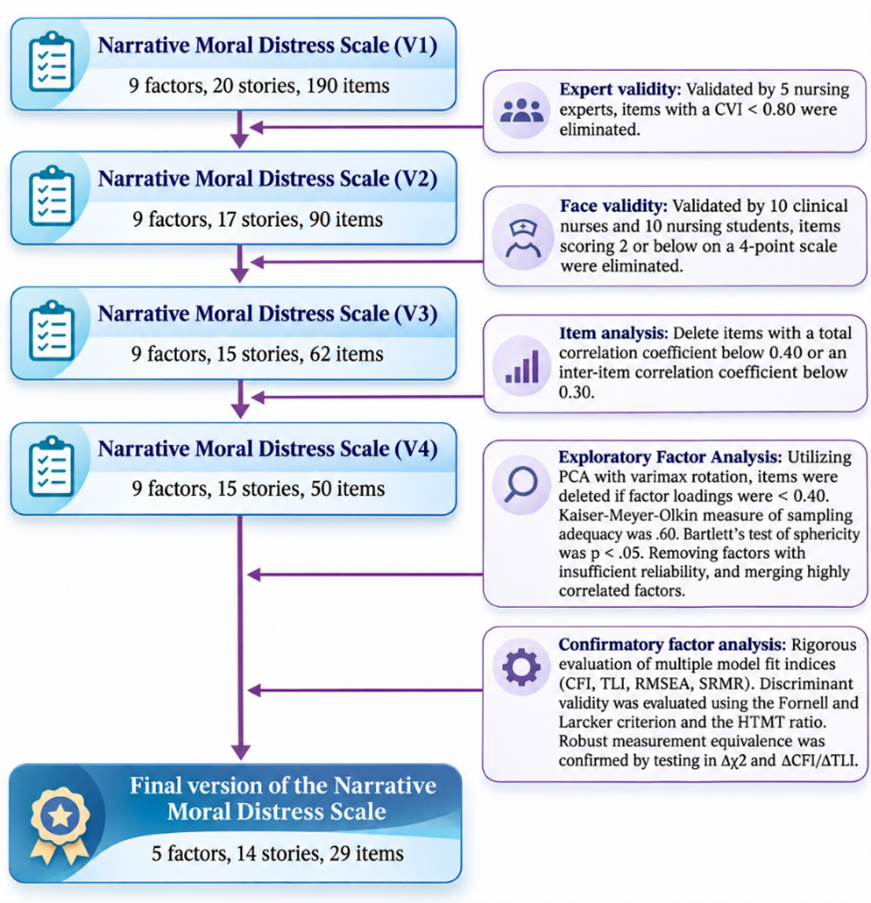
Figure 1. Development Process of the Narrative Moral Distress Scale (NMDS)
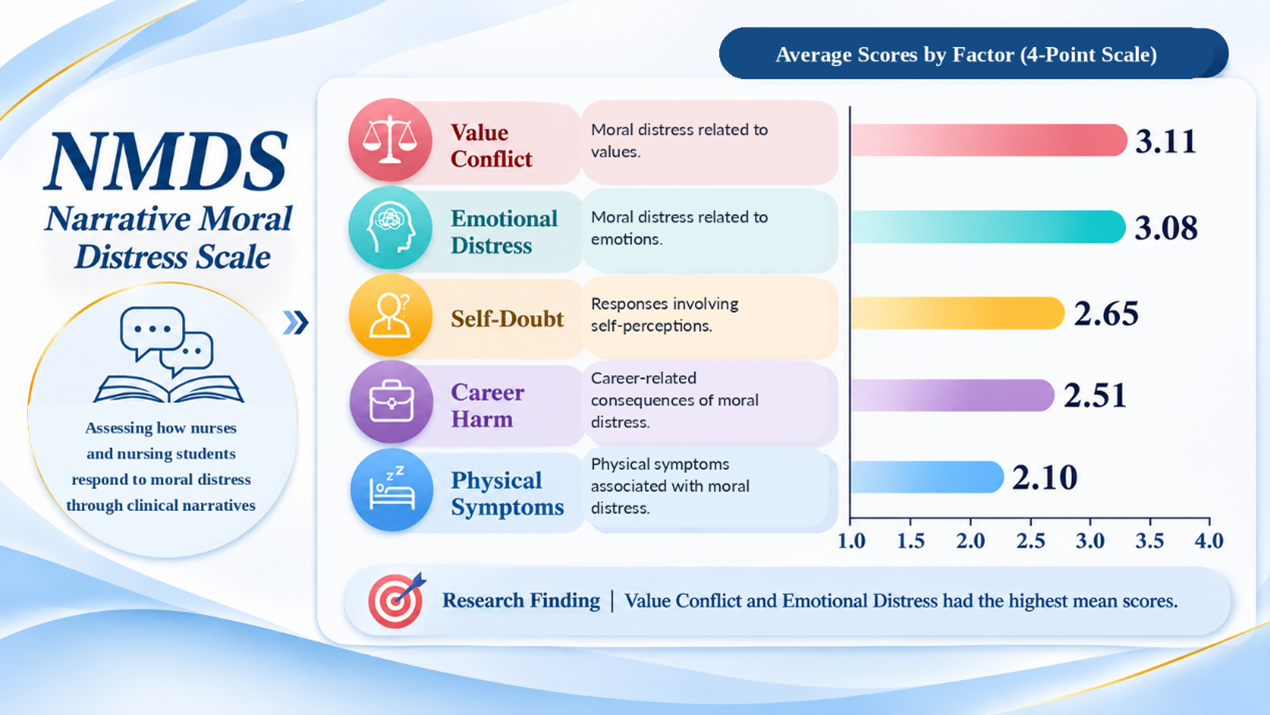
Figure 2. Five Factors and Key Findings of the Narrative Moral Distress Scale (NMDS)