
The research team has focused in recent years on elucidating the molecular mechanisms of age-related osteoarthritis and developing potential therapeutic strategies, resulting in multiple published findings.
This study is the first to reveal hazardous air pollutants emitted from night markets affect the indoor air quality and lung functions of children. PM1 and PM2.5 concentrations were significantly higher during opening days than during closing days.
The Innovative Nanomedicine Laboratory applies advanced nanotechnology to tackle contemporary medical challenges through creative material design and interdisciplinary collaboration.
Professor Ya-Ling Hsu (Distinguished Professor, College of Medicine) received the 2025 Outstanding Research Award, while Associate Professor Wei-Peng Li and Professor Kumar (College of Life Science) were honored with the 2025 Young Outstanding Research Award.
The team is dedicated to liver disease research and is responsible for developing national treatment guidelines for hepatitis C in Taiwan, as well as participating in the formulation of clinical guidelines by the Asian Pacific Association for the Study of the Liver (APASL).
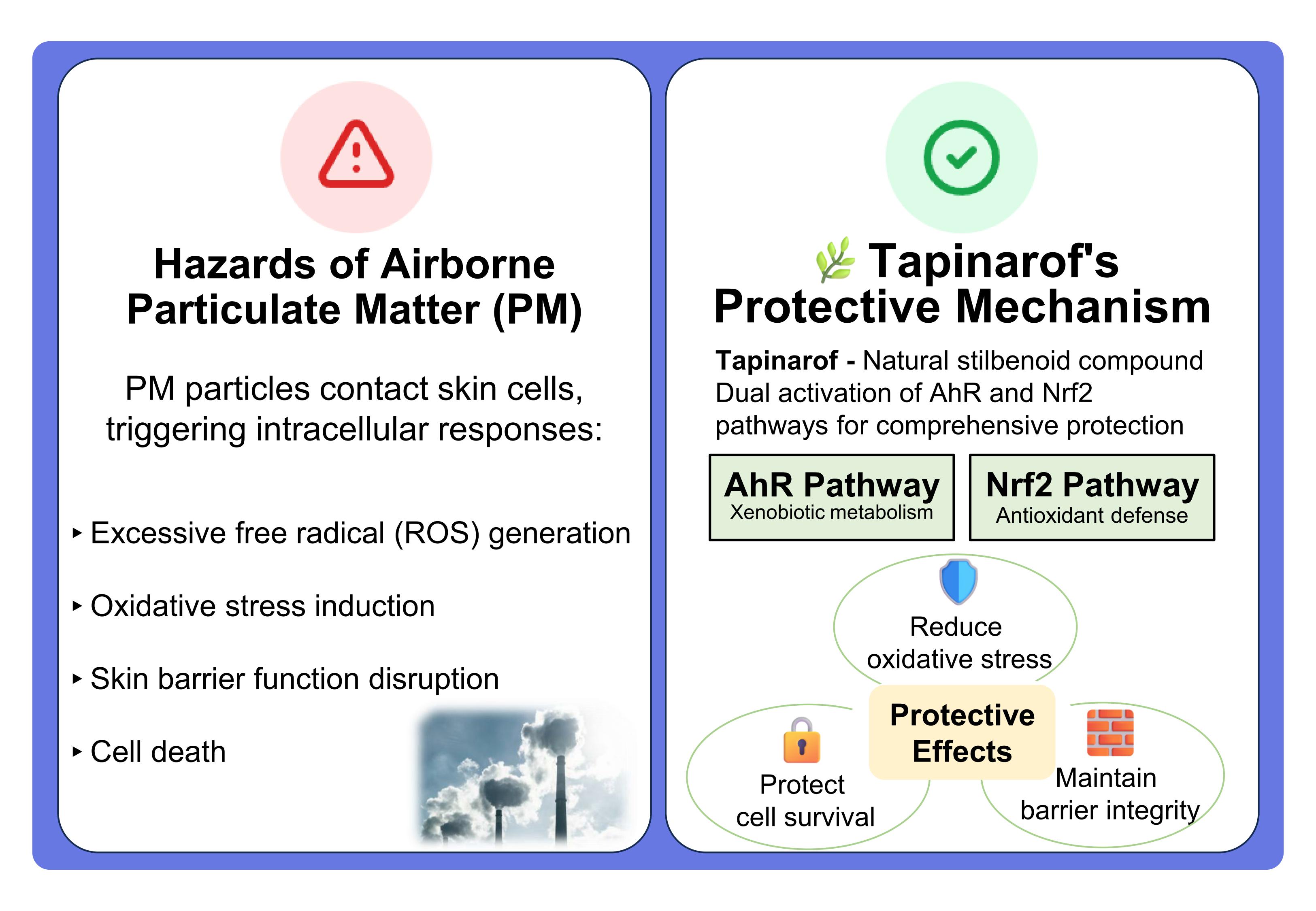
The research team is dedicated to developing natural compounds as protective strategies against environmental pollution-induced skin barrier damage and achieved significant breakthroughs in 2025.
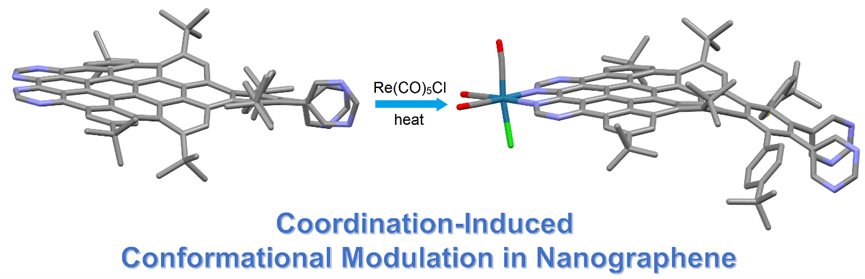
In this work, we examined the changes in the structural conformation of nanographene upon coordination with a metal. We synthesized a series of nitrogen-doped nanographenes (2, 3, and 4) that differed by one C–C bond and their corresponding nanographene–Re complexes (2Re, 3Re, and 4Re).
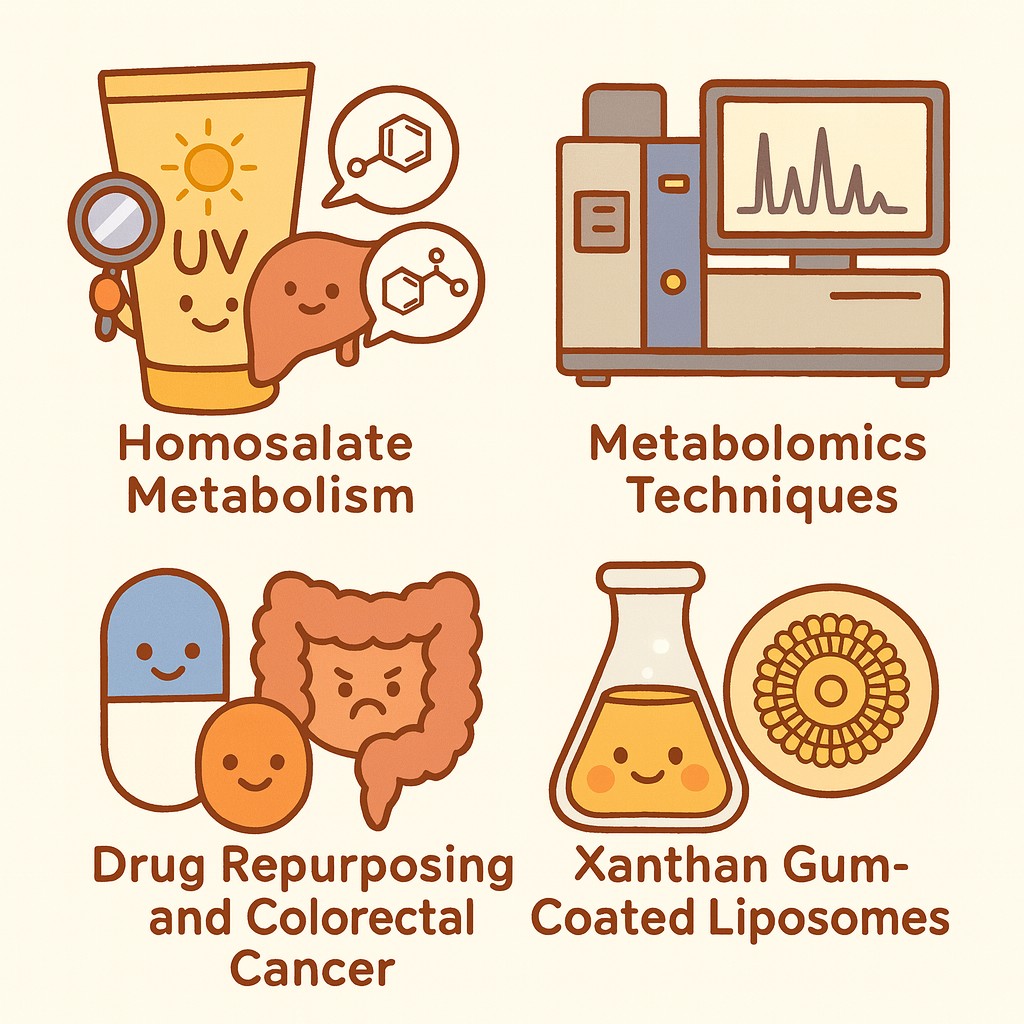
The research team's achievements focus on "environmental exposure risks", "high-resolution metabolomics methodology" and "clinical-related disease treatment strategies", demonstrating the research capabilities spanning toxicology, analytical chemistry, and translational medicine.